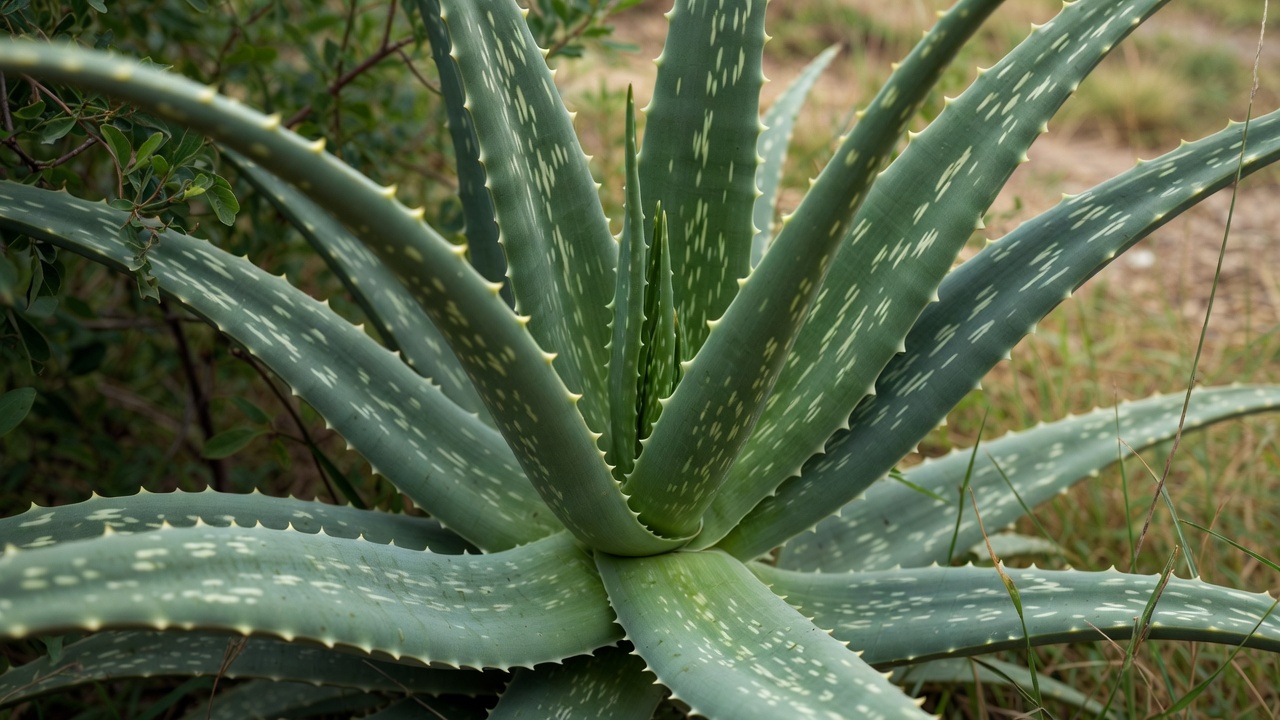
🔬 Key Research Finding: Scientists have discovered that beta-sitosterol, a natural compound found in Aloe vera, demonstrates powerful potential as a dual-action Alzheimer’s treatment by targeting key enzymes responsible for memory loss and cognitive decline.
In a groundbreaking development for Alzheimer’s disease treatment, researchers have uncovered promising evidence that compounds within the common Aloe vera plant could revolutionize how we approach this devastating neurodegenerative condition. While People have long celebrated Aloe vera for its skin-soothing properties, cutting-edge research published in Current Pharmaceutical Analysis reveals its potential extends far beyond topical applications into the realm of brain health and cognitive function.
This discovery comes at a critical time, as Alzheimer’s disease affects millions worldwide, with current treatment options offering limited relief. The identification of beta-sitosterol as a potent natural compound targeting acetylcholinesterase (AChE) and butyrylcholinesterase (BChE) enzymes opens an exciting new frontier in plant-based Alzheimer’s therapy.
Aloe Vera Alzheimer’s Treatment: Understanding the Connection
Progressive deterioration of memory, thinking abilities, and behavior characterizes Alzheimer’s disease of memory, thinking abilities, and behavior. At the cellular level, one of the primary culprits is the breakdown of acetylcholine, a crucial chemical messenger that facilitates communication between nerve cells. When enzymes like AChE and BChE degrade acetylcholine too rapidly, the result is impaired cognitive function and the hallmark symptoms of Alzheimer’s.
Current Alzheimer’s medications work by inhibiting these enzymes to preserve acetylcholine levels, but they often come with side effects and limited efficacy. The search for safer, more effective alternatives has led researchers to explore natural compounds from medicinal plants.
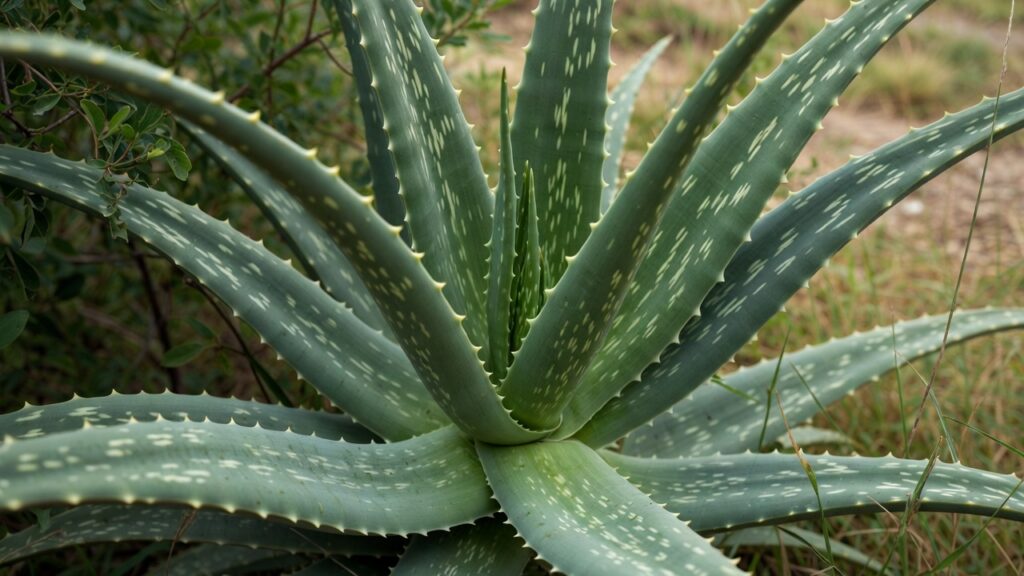
Beta-Sitosterol: The Key to Aloe Vera Alzheimer’s Treatment
Among the various bioactive compounds found in Aloe vera leaves, beta-sitosterol emerged as the standout candidate in this comprehensive study. Using advanced in silico computer modeling techniques, researchers from FAR Publishing Limited examined how different Aloe vera compounds interact with the enzymes responsible for acetylcholine breakdown.
📊 Remarkable Binding Affinity: Beta-sitosterol demonstrated binding affinities of −8.6 kcal/mol with AChE and −8.7 kcal/mol with BChE, significantly outperforming other tested compounds, including Succinic acid.
“Our findings suggest that Beta sitosterol, one of the Aloe vera compounds, exhibits significant binding affinities and stability, making it a promising candidate for further drug development,” explained Meriem Khedraoui, the study’s lead author.
What Makes Beta-Sitosterol Special?
The strength of this research lies in its multi-pronged approach to evaluating beta-sitosterol’s therapeutic potential:
Dual-Action Mechanism: Unlike many existing treatments that target only one enzyme, beta-sitosterol shows powerful inhibitory effects on both AChE and BChE. This dual-action approach could provide more comprehensive protection of acetylcholine levels, potentially leading to better cognitive outcomes for Alzheimer’s patients.
Strong Molecular Binding: The computer simulations revealed that beta-sitosterol not only binds strongly to both target enzymes but maintains that binding over time, suggesting sustainable therapeutic effects.
Favorable Safety Profile: Through comprehensive ADMET (Absorption, Distribution, Metabolism, Excretion, and Toxicity) analysis, researchers found that beta-sitosterol shows promise for good absorption and low toxicity at therapeutic levels.
The Science Behind the Discovery: Computational Drug Design
This research employed cutting-edge molecular docking and dynamics simulations, sophisticated computational methods that allow scientists to predict how molecules behave in the body before conducting expensive and time-consuming laboratory experiments.
Molecular docking helps determine how well a compound fits into an enzyme’s active site, much like testing if a key fits a lock. Molecular dynamics simulations then examine whether that “key” stays in the “lock” over time and under various conditions.
“These results highlight the potential of Beta sitosterol as a dual inhibitor, which could be crucial in managing Alzheimer’s disease,” noted Khedraoui, emphasizing the significance of finding a natural compound with such robust activity against both key enzymes.
From Plant to Potential Therapy: The Drug Development Path
The ADMET analysis conducted in this study represents a critical step in evaluating whether a compound could become a viable medication. This comprehensive assessment examines five crucial aspects:
Absorption: How well the compound enters the bloodstream
Distribution: How effectively it reaches target tissues, including the brain
Metabolism: How the body breaks down the compound
Excretion: How efficiently it’s eliminated from the body
Toxicity: Whether it causes harmful side effects
Both beta-sitosterol and Succinic acid passed these evaluations with favorable results, suggesting they could be absorbed effectively and are unlikely to cause toxic effects at therapeutic concentrations.
“The comprehensive analysis supports the potential of these compounds as safe and effective therapeutic agents,” confirmed Samir Chtita, a co-author of the study.
What This Means for Alzheimer’s Patients and Caregivers
While this research is undeniably exciting, it’s important to understand where we are in the drug development timeline. The study’s reliance on computer simulations means we’re still in the early stages. Before beta-sitosterol can be recommended as an Alzheimer’s Treatment, several crucial steps remain:
Laboratory validation: Confirming these computational findings in test tube experiments
Animal studies: Testing safety and efficacy in living organisms
Clinical trials: Evaluating effectiveness and safety in human patients
Regulatory approval: Securing FDA or equivalent agency authorization
This process typically takes many years and substantial investment. However, the strong foundation provided by this research significantly increases the likelihood of success in subsequent stages.
The Promise of Plant-Based Alzheimer’s Therapies
This research contributes to a growing body of evidence supporting the therapeutic potential of plant-derived compounds for neurodegenerative diseases. Natural products offer several potential advantages:
Established safety profiles from traditional use
Complex molecular structures that may offer multiple therapeutic benefits
Sustainable and renewable sources
Potentially fewer side effects compared to synthetic drugs
“Our in silico approach offers a promising direction for the development of novel treatments for Alzheimer’s disease,” Khedraoui emphasized, highlighting how computational methods can accelerate the discovery of new therapies.
Beyond Aloe Vera: The Future of Natural Alzheimer’s Research
This discovery opens doors for investigating other medicinal plants and their bioactive compounds as potential Alzheimer’s treatments. The computational methods used in this study can be applied to screen thousands of natural compounds efficiently, potentially identifying other promising candidates for cognitive health and neuroprotection.
Researchers are also exploring combination therapies that pair natural compounds like beta-sitosterol with existing medications, potentially enhancing effectiveness while reducing side effects.
Important Considerations and Next Steps
While awaiting further research developments, it’s crucial to note that consuming Aloe vera products is not currently recommended as an Alzheimer’s treatment. The concentration of beta-sitosterol in commercial Aloe vera products varies widely and has not been standardized for therapeutic use in cognitive disorders.
Anyone interested in Alzheimer’s prevention or treatment should consult healthcare professionals before making changes to their medication regimen or adding supplements. Current evidence-based approaches to reducing Alzheimer’s risk include:
Regular physical exercise
Maintaining cardiovascular health
Following a Mediterranean or MIND diet
Staying mentally and socially active
Managing stress and getting adequate sleep
Controlling diabetes, hypertension, and cholesterol
Conclusion: A Promising Path Forward
The discovery that beta-sitosterol from Aloe vera demonstrates such powerful potential as a dual-action Alzheimer’s inhibitor represents an important milestone in the search for effective treatments for this devastating disease. While the path from computer simulation to approved medication is long and uncertain, this research provides a solid scientific foundation for continued investigation.
As our understanding of plant compounds and their interactions with human biology deepens, we may find that nature has been holding answers to some of our most challenging health conditions all along. The humble Aloe vera plant, long valued for healing skin, may yet prove valuable for healing minds.
The journey from laboratory discovery to patient treatment requires patience, rigorous testing, and continued research investment. However, studies like this one demonstrate that innovative approaches combining traditional botanical knowledge with cutting-edge computational science can illuminate new pathways toward effective Alzheimer’s disease therapies.