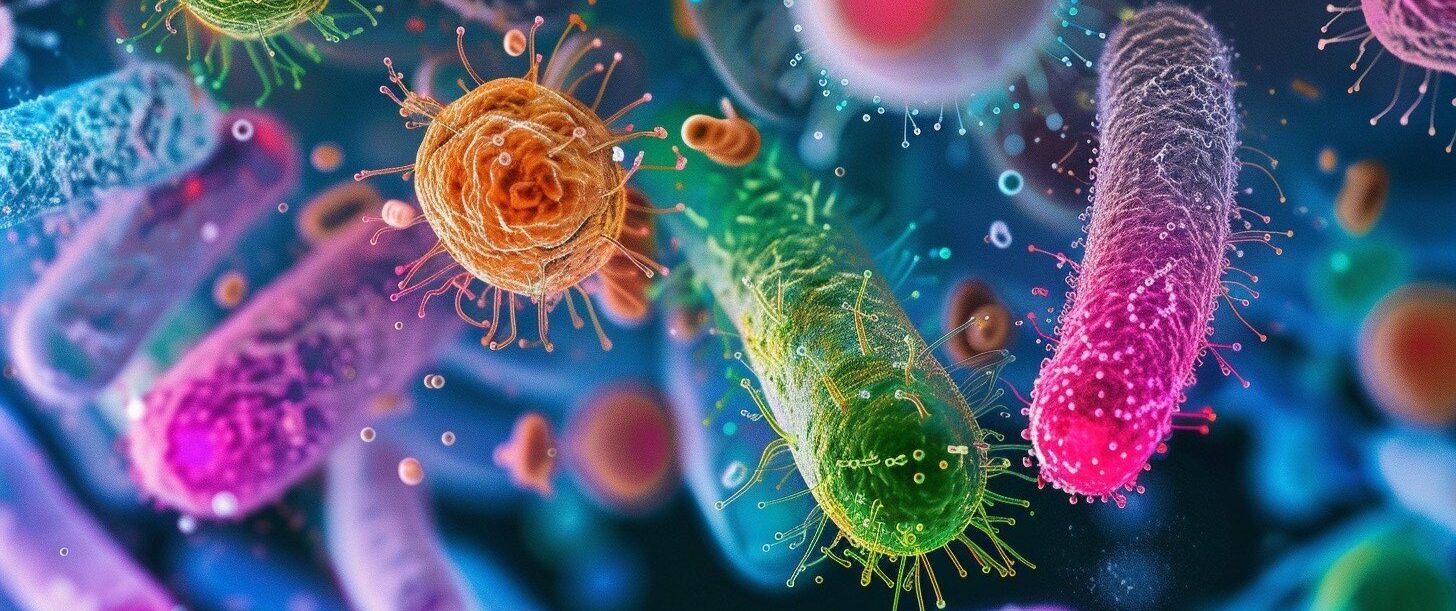
In the bustling ecosystem of the human body, there’s a silent, unseen community hard at work—trillions of microorganisms living primarily in your digestive tract. This intricate network, known as the gut microbiome, is far more than just a collection of bacteria. It’s a dynamic, living organ that influences everything from digestion and immunity to mood and mental health. Welcome to the fascinating world inside you.
What Is the Gut Microbiome?
The gut microbiome refers to the trillions of microorganisms—including bacteria, viruses, fungi, and other microbes—that reside mainly in your large intestine. While the term “bacteria” might sound alarming, the vast majority of these microbes are not only harmless but essential to your health.
Each person’s microbiome is as unique as a fingerprint, shaped by factors like genetics, birth method (vaginal vs. C-section), diet, environment, antibiotic use, and even stress levels. A healthy gut microbiome is characterized by diversity—a wide variety of microbial species working in harmony.
Why Your Gut Health Matters More Than You Think
For decades, scientists viewed the gut primarily as a digestive organ. But recent research has revealed that the gut microbiome plays a central role in many aspects of health:
- Digestion & Nutrient Absorption: Gut bacteria help break down complex carbohydrates, produce essential vitamins (like B vitamins and vitamin K), and aid in the absorption of minerals.
- Immune Function: About 70% of your immune system resides in your gut. A balanced microbiome helps train immune cells to distinguish between friend and foe, reducing the risk of autoimmune diseases and chronic inflammation.
- Mental Health & Mood: Often called the “second brain,” your gut communicates with your central nervous system via the gut-brain axis. Gut microbes produce neurotransmitters like serotonin (about 90% of which is made in the gut!), influencing anxiety, depression, and even cognitive function.
- Metabolic Health: An imbalanced microbiome (called dysbiosis) has been linked to obesity, type 2 diabetes, and heart disease. Certain gut bacteria affect how your body stores fat and regulates blood sugar.
- Skin Health: Emerging evidence connects gut health to conditions like acne, eczema, and psoriasis—highlighting the gut-skin axis.
Signs of an Unhealthy Gut
Not all gut issues are obvious. Common signs of microbiome imbalance include:
- Bloating, gas, constipation, or diarrhea
- Food intolerances
- Frequent infections
- Fatigue or low energy
- Mood swings, anxiety, or brain fog
- Skin irritations
If these symptoms persist, it may be time to pay closer attention to your gut health.
How to Nurture Your Gut Microbiome
The good news? Your gut microbiome is highly responsive to lifestyle changes. Here are science-backed ways to support a thriving inner ecosystem:
- Eat a Diverse, Fiber-Rich Diet
Fiber is the favorite food of beneficial gut bacteria. Focus on whole plant foods—fruits, vegetables, legumes, whole grains, nuts, and seeds. Aim for 30+ different plant foods per week to boost microbial diversity. - Fermented Foods Are Your Friends
Incorporate naturally fermented foods like yogurt (with live cultures), kefir, sauerkraut, kimchi, miso, and kombucha. These introduce beneficial probiotics into your gut. - Limit Ultra-Processed Foods and Added Sugars
These can feed harmful bacteria and reduce microbial diversity. Think of your gut microbes like garden plants—feed them well, and they flourish. - Use Antibiotics Judiciously
While sometimes necessary, antibiotics can wipe out both good and bad bacteria. If you must take them, consider discussing probiotic supplementation with your healthcare provider afterward. - Manage Stress
Chronic stress alters gut bacteria composition. Practices like meditation, yoga, deep breathing, or even regular walks can positively influence your microbiome. - Prioritize Sleep
Poor sleep disrupts the gut microbiome. Aim for 7–9 hours of quality sleep per night. - Stay Hydrated and Move Your Body
Regular physical activity and adequate water intake support healthy digestion and microbial balance.
The Future of Gut Health
Scientists are now exploring personalized microbiome therapies, including targeted probiotics, prebiotics, and even fecal microbiota transplants (FMT) for conditions like C. difficile infection. In the near future, we may see microbiome testing become as routine as cholesterol checks—helping tailor diets and treatments to your unique microbial profile.
Final Thoughts
Your gut microbiome is more than just a digestive aid—it’s a cornerstone of holistic health. By treating it with care through mindful eating, stress management, and healthy lifestyle choices, you’re not just feeding yourself; you’re nurturing a complex, vibrant community that works tirelessly to keep you well.
So the next time you sit down for a meal, remember: you’re not just eating for one—you’re feeding trillions.
Listen to your gut. It’s been listening to you all along.
Have questions about your gut health? Consult a registered dietitian or healthcare provider before making significant dietary changes, especially if you have underlying health conditions.
Stay curious, stay healthy! 🌱